
When applying for a personal loan in South Africa, one of the biggest decisions you’ll face is whether to choose a fixed or variable interest rate. Both options have their pros and cons, and the right choice depends on your financial goals and risk tolerance.
Let’s break it down so you can make an informed decision.
What is a Fixed Loan Rate?
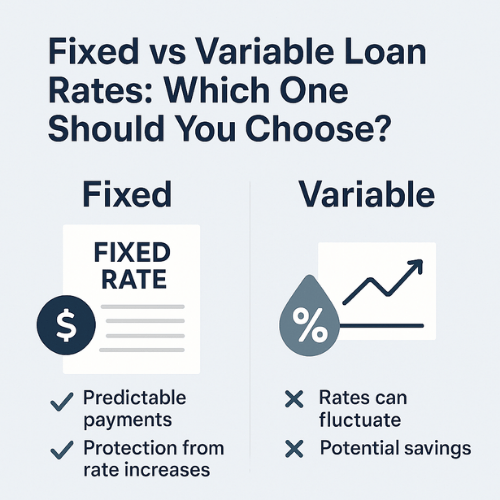
A fixed interest rate means your repayment amount stays the same throughout the entire loan term.
✅ Benefits of fixed rates:
- Predictable monthly repayments
- Protection from rising interest rates
- Easier budgeting
❌ Downsides:
- Usually slightly higher than initial variable rates
- You won’t benefit if market rates drop
What is a Variable Loan Rate?
A variable interest rate can change over time based on the prime lending rate set by the South African Reserve Bank.
✅ Benefits of variable rates:
- Can be cheaper initially
- You’ll benefit if interest rates decrease
❌ Downsides:
- Monthly repayments can increase unexpectedly
- Harder to budget long-term
Which One is Right for You?
Here’s a simple way to decide:
- Choose fixed rates if…
- You want stability and predictability
- You have a tight budget and can’t afford repayment shocks
- You’re planning for the long term
- Choose variable rates if…
- You’re comfortable with risk
- You expect interest rates to drop
- You can afford fluctuating repayments
Both fixed and variable loan rates have their place. If you value certainty, a fixed rate may give you peace of mind. If you’re looking for potential savings and can handle some risk, a variable rate could work for you.
Before you decide, always compare offers from multiple lenders to see which option fits your financial situation best.